Tuesday, February 15, 2022

How Do You Know When You Need New Brakes?

how do you know when you need new brakes

If you are a conscientious driver, you may often wonder how do you know when you need new brakes.  As the miles add up, it is inevitable that parts of your braking systems start to wear.  Most car drivers don’t want to be the cause of an accident because of failing brakes!  To prevent an expensive brake repair or worse an accident, it is wise to have your brakes checked on a regular basis, possibly at every tire rotation or oil change service.

How do you know when you need new brakes? If you start to notice any of the issues below, don’t put off scheduling an inspection and the appropriate brake repair:

  • Noisy brakes – Screeching, squealing, or metal-on-metal grinding will be noticeable when the brake pads and rotors are worn out. 
  • Vibrations – If you feel the brake pedal pulsate every time you step on it, the disc has become warped and will want to either be replaced.
  • Burning smells – Brake fluid leaking onto a hot motor produces a burning smell.  Your auto mechanic can check your brakes to determine the source of the leak and then repair it.
  • Longer stopping distances – If the brake pedal feels “mushy” and it goes all the way to the floor before stopping your car, it’s time for a brake repair.  
  • Pulling – If the front brake pads are worn down too far, your vehicle will pull to one side or the other while braking You will also need to keep straightening the steering wheel.
  • Warning light – A warning light on the dash panel will illuminate when the electronic-wear indicators indicate that the pads have worn down to a specified measurement.  

A word of advice:   Because brake parts wear gradually, frequent inspections will keep you driving as safe as possible.  Don’t let your brakes reach the risky stage before taking action.  Ask for a brake checkup whenever you schedule a tire rotation or oil change service.

Have more questions about how do you know when you need new brakes?  Call our ASE Certified technicians at Auto & Fleet Mechanic for more information about brake repair and to request an appointment. Our auto repair shop proudly serves residents in Modesto, CA, and the surrounding area.

Wednesday, January 20, 2021

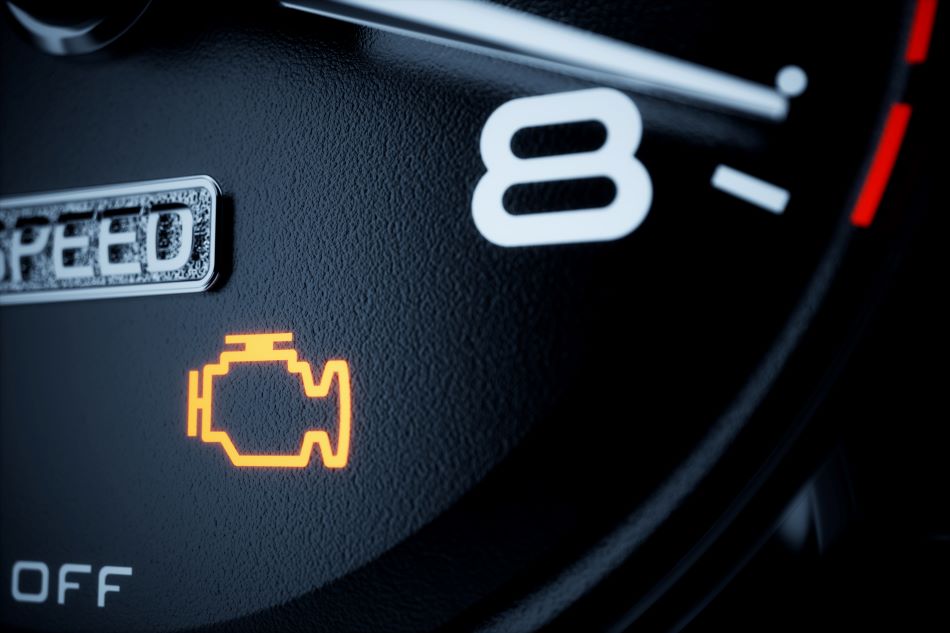
Wondering what causes the Check Engine Light to Come On?

what causes the check engine light to come on

You may be driving smoothly along when all of a sudden you see the “Check Engine” light illuminate on your dashboard.  You start to worry about what causes the check engine light to come on.  This little light could be the first warning sign of an engine problem.  Unless your car doesn’t run at all, head to your auto repair shop as soon as you can for a diagnostic test.  Your mechanic will hook up a specialized computer to your vehicle to “read” what is going on under the hood.  Potential problems can be diagnosed and fixed while they are small problems, and before they turn into major engine repair.  

There are few problems that can cause the check engine light to come on:

  1. Faulty Gas Cap – When the gas cap is loose or cracked, fuel vapors leak out and can throw the whole fuel system off.
  2. Faulty Oxygen Sensor – If the oxygen sensor fails, it’s not providing the right data to the car’s computer to monitor the unburned oxygen from the exhaust and how much fuel should be burned. 
  3. Failing Catalytic Convertor – If the catalytic convertor fails, it can’t do its job of reducing exhaust gases. It converts carbon monoxide and other harmful materials into harmless emissions.
  4. Faulty Mass Airflow Sensor – The mass airflow sensor tells the car's computer to add the proper amount of fuel based on the air coming through to the engine.  Most mass airflow sensors fail because of an improperly installed or it becomes clogged.
  5. Bad Spark Plugs and Wires – The spark plug seals the combustion chamber and provides a gap for a spark to jump across and initiates combustion in your engine.  You will start to notice misfiring when spark plugs go bad.

Any of the issues listed above can result in reduced fuel efficiency, an increase in toxic fumes from your exhaust, loss of power, rough idling, or not running at all.   If you want to prevent major and expensive engine repair, as well as keep your vehicle a reliable means of transportation, don’t neglect regular engine service.  

If you need to know more about what causes the check engine light to come on, call our ASE Certified technicians at Auto & Fleet Mechanic for more information about engine repair and to make an appointment. Our auto repair shop proudly serves residents in Modesto, CA, and the surrounding area.


Saturday, October 17, 2020

Diesel Mechanic advices not to ignore Strange Diesel Noises!

Diesel repairs modesto ca

A common characteristic of diesel engines is noise!  If you aren’t familiar with diesel engines, you may be wondering just what is acceptable and what is not.  Injector “nailing” and ignition “knock” causes most of the usual knocking and pinging in a diesel engine.  Not every noise that comes from under the hood is bad—some sounds are usual.  A diesel auto mechanic can tell you what is usual and what is not.  

Diesel engine issues generally happen because people ignore the unusual noises which can indicate issues.  Some knocking noises are of no concern at all, while other noises are signs of trouble.  Don’t take any strange noises lightly but schedule a diesel service as soon as possible.   

Why is a diesel engine so noisy?  Fuel is injected into compressed air inside the cylinder in which there are a lot of little parts, such as small valves, and oil pipes that create the noise. Also, because diesel fuel is less filtered than petrol, it has more particles in it that make louder noises when it’s ignited.  

Problem noises:

  1. Rattling. You may hear rattling when you accelerate, caused by the air and fuel mixture in the cylinder that gets ignited prematurely by the compression inside the engine. This is called pre-ignition and it can damage the pistons, valves, and connecting rods inside the engine.  
  2. Ticking. Typically, a ticking noise is caused by reciprocating parts like pistons, valves, rods, and pushrods. It is also an indicator of problems such as low oil level, ill-adjusted valves, rod knock, or noisy lifter.
  3. Knocking.  Knocking noise is produced by the injectors. Though, deposits build up in the tips of fuel injectors, normally when there's fuel left in the injector tips after the engine is shut.
  4. Timing Chain Meshing. The timing chain connects the camshaft and crankshaft which will produce a meshing sound if it is too loose. 

The key to Diesel Engine Performance!

The key to getting the best performance and fuel mileage from your diesel engine is clean fuel injectors that are functioning correctly.

Are you looking for quality diesel repair?  Call our ASE Certified technicians at Auto & Fleet Mechanic for more advice from a diesel mechanic and to make an appointment. Our auto repair shop proudly serves residents in Modesto, CA, and the surrounding area.


Friday, September 11, 2020

When Should You Service Your Car A/C?

when should you service your car A/C


Because today’s cars are more computerized than ever, the car A/C system is more complex than ever.  At least once a year, schedule a car AC service with a certified auto repair mechanic who can handle refrigerants.  This will ensure you are riding in comfort at all times, plus see improved gas mileage with less toxic emissions.

So wondering when should you service your car A/C?  Any time is a good time!  Especially after a hot summer and before heading into fall, it’s time to give your car AC some much-needed attention. Here are several maintenance tips that will keep your car air conditioner in good working condition:
  1. Run the air conditioner once a week for about 10 minutes. Turn the A/C to its maximum fan speed and coolest setting to keep the compressor working correctly.
  2. Run defrost mode for about 5 to 10 minutes. This prevents mildew and cleans out excessive moisture (which can cause obnoxious odors in your car).
  3. Use your car A/C in winter. In addition to cooling your vehicle, one of the A/C’s primary functions is to remove humidity from the passenger cabin, such as a fogged-up windshield.
  4. Refresh Cooling System.  Every 2 years replace the compressed gas and lubricant in the A/C system.
  5. Schedule a car A/C service.  Early detection of leaks or damage can save you time and money, keeping you and everyone in your vehicle cool and worry-free.
During the hot temperatures of summer, your car air conditioner has received a lot of use.  Regular maintenance will keep it performing at its best as you head into fall and winter.  You will see the benefits of improved gas mileage, a cleaner running vehicle, and a more relaxed ride.

Are you wondering when should you service your car A/c?  Call our ASE Certified technicians at Auto & Fleet Mechanic for more information about our auto repair shop and to make an appointment. Our auto repair shop proudly serves residents in Modesto, CA, and the surrounding area.

Friday, July 31, 2020

Why is my brake light not working?

why is my brake light not working


With the long days of summer here, many car drivers may not think about their headlights and brake lights.  But, it’s important to keep an eye on them as they can burn out or stop working without noticing.  All of a sudden, you may start to wonder, “Why is my brake light not working?”  It’s still important that you have working lights (headlights, brake lights, and turn signals) so that other drivers know you are there or in which direction you plan to turn. 

So what causes lights to not work or appear extra dim?  There could be several reasons, including:
  • Burned out bulbs:  If only one brake light is not working, the issue is normally a burned-out bulb.  Has it replaced as soon as possible?  If it still doesn’t work, ask your auto mechanic to inspect the wiring or fuses.
  • High beam doesn’t work:  If the headlight was replaced or it isn’t burned out, there could be faulty wiring in the switch.
  • Electrical System:  There may be an issue in the electrical system if the lights dim only when the engine is idling and the brightness changes with the RPM.  An auto electrical repair service can pinpoint the issue, such as a bad alternator or a loose belt.  Though, if the alternator inspects out okay, the accessories may be drawing too much power and a more powerful alternator may be needed.
  • Lights are too dim:   Bulbs can lose their brightness as they age, so you may want to invest in a new set of bulbs.  Dirty lenses block the light and can be cleaned and reconditioned.  Foggy lenses are an indication that water is getting into the headlight assembly and it may want to be replaced.
The electrical system is comprised of some components including the battery, battery cables, alternator, starter, and computer system. Problems with any of these components can cause issues with the vehicle’s operation and will normally require the use of specialized diagnostic equipment to identify the cause.   

In older vehicles, the average person could replace burned out bulbs themselves.  But lights are now much harder to access in today’s vehicles.  Your auto mechanic has the right tools and diagnostic equipment to check the bulbs, fuses, switches, and relays, and then either repair or replace as needed.  

Are you wondering why is my brake light not working?  Consult our ASE Certified technicians at Auto & Fleet Mechanic for more information about auto electric repair problems and to make an appointment. Our auto repair shop proudly serves residents in Modesto, CA, and the surrounding area.

Tuesday, July 28, 2020

What are the Symptoms of a Failing Alternator?

what are the symptoms of a failing alternator


Many drivers are not aware that the alternator is a key component in your car's electrical system.  What does it do, you ask?  Simply stated, it turns the energy from the crankshaft into useful electricity to power the vehicle's electrical systems and to help the battery recharge. When the alternator starts to fail, it can create a domino effect of electrical issues that can eventually cause a breakdown.  The issue is that it is often difficult to determine whether a failing alternator, a weak battery, or a bad car starter is the culprit.

So what are the symptoms of a failing alternator?  Here are 6 signs that are easy to notice:
  1. The indicator light illuminates on the dashboard titled "ALT" or "GEN.”
  2. Dim headlights generally mean the alternator is struggling to perform.
  3. Other electrical systems that are powered by the alternator may start to act up, including power windows, power locks, dashboard lights, air conditioning, car radio, GPS, and etc. 
  4. Sometimes Alternator failure can cause some of the bearings to fail in the engine, creating rare rattles and noises. 
  5. When the alternator is failing, there might not be enough power in the spark plugs to keep the engine alive, which can cause it to stall for no reason while running.
  6. The battery sometimes will be drained of its charge because the alternator is not capable of recharging it.
If your vehicle is getting hard to start, for driving safety, performance, and peace of mind, have the car starter, the battery, and the alternator checked as soon as possible.  Don’t delay until you are suddenly left stranded somewhere before taking care of starting issues.
  
Are you wondering what are the symptoms of a failing alternator?  Consult our ASE Certified technicians at Auto & Fleet Mechanic for more information about car starters, alternators, and batteries and to make an appointment. Our auto repair shop proudly serves residents in Modesto, CA, and the surrounding area.

Thursday, July 16, 2020

What Are the Signs That Your Car Needs a Tune Up?

what are the signs that your car needs a tune up


The use of computers has been one of the most useful advances in the automotive industry.  Because of these technological advances, your auto mechanic can run an engine diagnostics that scans the operating systems in your vehicle with a specialized computer.  This is not only compulsory when the check engine light comes on, but also as a yearly inspection that can determine if your car is in need of a tune up.  

This diagnostic computer can find issues associated with the transmission, oil tank, gas tank, exhaust system, and other components. It can also indicate ignition timing problems, level of buildup in the combustion engine, fuel injector performance, whether the ignition coils are firing, engine rpm levels, air and coolant temperature, crankshaft and camshaft position, and throttle opening. In other words, it will let you know when its time for a tune up!  

So just what are the signs that your car needs a tune up? If your car isn’t driving as well as normal, it is possibly time for a tune up. Look for these signs:
  • Check engine light comes on. 
  • Engine stalls when you try to accelerate.
  • Decreased fuel economy.
  • Brake issues.
  • Shifting issues.
  • Excessive vibration or shaking felt in the steering wheel.
An engine diagnostics can analyze the overall performance of your vehicle and pinpoint any possible issues as well as determine whether any adjustments may be needed.  Preventative maintenance and repairs don’t have to be based on guesswork anymore.  Instead of spending your hard-earned money on fixing things by “trial and error,” issues can be identified long before they become major problems.  

Some auto mechanics may recommend taking your car in for an engine diagnostics at least once a year to uncover minor issues that can’t be seen.  It’s also useful when you’re inspecting out a used car so you know whether or not it’s a good deal.
Are you wondering what are the signs that your car needs a tune up?  Consult our ASE Certified technicians at Auto & Fleet Mechanic for more information about engine diagnostics and to make an appointment. Our auto repair shop proudly serves residents in Modesto, CA, and the surrounding area.