Friday, February 23, 2024

How do you fix black smoke on a diesel engine?

how do you fix black smoke on a diesel engine

Black smoke from a diesel engine is often an indication of incomplete combustion, which can result from a Different of problems. Here are some common causes and potential solutions to fix black smoke on a diesel engine:

  • Air Filter: A clogged or dirty air filter can restrict the airflow into the engine, leading to incomplete combustion. Inspect and replace the air filter if necessary.
  • Fuel Injectors: Malfunctioning or dirty fuel injectors may spray an uneven or excessive amount of fuel into the combustion chamber, causing black smoke. Cleaning or replacing the fuel injectors may resolve the problems.
  • Fuel Quality: Poor-quality or contaminated fuel can contribute to incomplete combustion. Use high-quality diesel fuel from reputable sources to avoid problems related to fuel quality.
  • Turbocharger Problems: Problems with the turbocharger, such as a malfunctioning waste gate or a stuck variable geometry turbo, can affect air intake and combustion. Check and repair or replace the turbocharger parts as needed.
  • Excessive Fuel Supply: Adjusting the fuel supply to the engine may be compulsory. This can involve adjusting the fuel injection timing, inspecting the fuel pump settings, or addressing problems with the fuel pressure regulator.
  • Cylinder Compression: Low cylinder compression can result in incomplete combustion. Perform a compression test to identify any problems with the cylinders and address any leakages or malfunctions.
  • EGR System issues: The Exhaust Gas Recirculation system is designed to reduce emissions, but if it malfunctions, it can lead to incomplete combustion. Inspect the EGR valve, cooler, and associated parts for proper functioning.
  • Timing Problems: Incorrect ignition timing can contribute to black smoke. Ensure that the engine's timing is set properly, and adjust if compulsory.
  • Air in the Fuel System: Air in the fuel lines can disrupt proper combustion. Inspect for air leaks in the fuel system, including at the fuel filter and connections. Bleed the fuel system if needed.
  • Engine Overloading: Overloading the engine by demanding too much power without corresponding airflow or fuel adjustments can lead to black smoke. Operate the engine within its designed load capacity.

The best thing for you to do when you want to know how do you fix black smoke on a diesel engine is to Request an appointment with a trusted diesel engine mechanic so they can get to the root of the issue as soon as possible.

Wednesday, January 24, 2024

When should transmission fluid be changed?

When should transmission fluid be changed

The timing for changing transmission fluid can vary depending on several factors, including the type of transmission, driving conditions, and the manufacturer's recommendations. In general, here are some guidelines for when to change transmission fluid:

  1. Follow the Manufacturer's Recommendations: The best guidance on when to change your transmission fluid is often provided in the car's owner's manual. Manufacturers typically specify the recommended maintenance schedule, including when to change the transmission fluid.
  2. Normal Driving Conditions: For vehicles that undergo normal driving conditions, which means mostly highway driving with minimal stop-and-go traffic, the recommendation might be to change the transmission fluid every 30K to 60K miles.
  3. Severe Driving Conditions: If you often drive in severe conditions, such as heavy traffic, towing heavy loads, or driving in extreme temperatures, the transmission fluid may need more frequent changes. Severe driving conditions can lead to higher operating temperatures, putting more stress on the transmission fluid.
  4. Inspect the Fluid: It's a good idea to periodically check the transmission fluid. If it appears discolored, has a burnt smell, or has particles in it, it may be an indication that the fluid wants to be changed.
  5. Transmission Issues: If you experience transmission problems such as slipping, rough shifting, or delayed engagement, it's advisable to have the transmission fluid checked and possibly changed. However, changing the fluid alone may not always solve underlying transmission issues, and a more thorough inspection may be compulsory.

It's important to note that some modern vehicles come equipped with sealed transmissions, and the manufacturer may claim that the fluid is "lifetime" and doesn't need to be changed. However, opinions on this can vary, and some automotive specialists recommend that changing transmission fluid, even in sealed systems, can contribute to longer transmission life.

Wondering when should transmission fluid be changed?  Call our ASE Certified mechanics at Auto & Fleet Mechanic for more information about transmission repair services and to request an appointment. Our auto repair shop proudly serves residents in Modesto, CA, and the surrounding area.

Tuesday, December 12, 2023

What does vehicle maintenance consists of?

what does vehicle maintenance consists of

You’re the proud owner of a vehicle and with that comes some responsibility. What exactly does that consist of though? To keep a vehicle in operating order some monthly maintenance needs to be completed so it to not break down and wind up with a lengthy repair bill in an auto shop. Let's talk more about what car maintenance means for your vehicle and how to deal with your car maintenance. 

What does vehicle maintenance consists of? Here's a breakdown of what vehicle maintenance typically includes:

  1. Regular Inspections: Routine visual checks of various parts such as lights, tires, fluid levels (oil, coolant, transmission fluid, brake fluid, power steering fluid), belts, hoses, and batteries.
  2. Oil Changes: Regularly changing engine oil and oil filter to ensure proper lubrication of the engine's moving components.
  3. Fluid Inspection and Replacements: Inspection, topping up, or replacing various fluids in the vehicle, including coolant, transmission fluid, brake fluid, power steering fluid, and windshield washer fluid.
  4. Tire Maintenance: Rotating tires to promote even wear, inspecting tire pressure, and inspecting tires for signs of damage or wear.
  5. Brake System Inspection: Inspection brake pads, rotors, brake fluid levels, and the overall condition of the braking system for safety and functionality.
  6. Air Filter Replacement: Replace the engine air filter to ensure proper air intake and engine performance.
  7. Battery Maintenance: Inspection of the battery terminals for corrosion, ensuring a secure connection, and inspection of the battery's overall condition.
  8. Timing Belt/Chain Replacement: Replacing the timing belt or chain according to the manufacturer's recommendations to prevent engine damage.
  9. Spark Plug Replacement: Replacing spark plugs at recommended intervals for optimal engine performance and fuel efficiency.
  10. Suspension and Steering Inspection: Inspection of the suspension system, including shocks, struts, and steering parts, for wear, leaks, or damage.
  11. Cooling System Maintenance: Checking the radiator, hoses, and thermostat, and flushing the coolant as recommended.
  12. Exhaust System Check: Inspection for leaks, damage, or rust in the exhaust system to maintain proper emissions and performance.
  13. Drive Belts and Hoses Inspection: Inspecting drive belts and hoses for wear, cracks, or damage and replacing them when compulsory.

Wondering about what does vehicle maintenance consist of? Contact our ASE Certified technicians at Auto & Fleet Mechanic for more information about car maintenance and to schedule an appointment. Our auto repair shop proudly serves residents in Modesto, CA, and the surrounding area.


Tuesday, October 17, 2023

What are the signs of bad brakes?

what are the signs of bad brakes

One of the most critical safety features for any car is ensuring the brakes are working properly. For this reason, knowing what are the signs of bad brakes of the essence for every driver. Below are some of the most common signs of bad brakes.

1. Brake Lights On

If your vehicle's brake warning light on the dashboard comes on, it's an indicator of potential problems. Parking brakes can trigger the alert in some vehicles, but if it persists after disengaging the brake, it's time to act. 

2. Squealing Sounds

When your brake pads wear out, an indicator makes a really irritating noise. The noise is more evident when you depress the brake pedal. This noise can also be caused by rust over your brake pads. However, since it is hard to tell the difference, it's advisable to have the pads checked to ensure your safety. 

3. Vibration When Braking

If you feel a vibration or pulsation through the brake pedal or steering wheel when the brake pedals are pressed, it may indicate warped brake rotors. This can affect braking performance and should be addressed promptly.

4. Visible Wear-and-Tear

The question of what are the signs of bad brakes can also be answered by visual inspection. The condition of your car brakes tells a lot about the functionality of your brakes. If the pads are a quarter-inch thick, it's time to replace them. 

5. Leaking Brake Fluid

There are a lot of things that take place every time you apply your brakes. One of the processes is the creation of hydraulic pressure by the brake fluid. Without sufficient brake fluid, your car might not stop safely. Brake fluid decline can be natural or due to leakage, requiring professional attention.

Your car might demand regular brake replacement if you drive it more often. Delay in servicing your car puts you and other road users at hazard. Have your car serviced regularly for your safety and durability.

Need to know what are the signs of bad brakes? Call our ASE Certified mechanics at Auto & Fleet Mechanic for more information about brake replacement and to request an appointment. Our auto repair shop proudly serves residents in Modesto, CA, and the surrounding area.

Thursday, March 23, 2023

How often should you get your brakes done?

brake repair modesto ca

How often should you get your brakes done? It is best to do a brake repair periodically to be safe on the roads. When you go for a brake replacement service, your car's brakes will be cleaned, lubricated, and resurfaced to help them be reliable for your safety on the road. You should understand various things to know how often you should get your brakes done. First, some car manufacturers usually tell you how long you should take before doing a brake repair. Most recommend that you check your brakes after about every 4-6 months or 5,000-7,000 miles.

Second, you know it is time for a brake repair if you start hearing excessive vibrations or unusual noises when applying the brakes. It is a sign that you should repair your brakes as soon as possible to avoid brake failure while driving. However, most auto shops check brakes every time the wheels are ejected from your vehicle. Others check brakes at every oil change, considering the interval between which you change your vehicle's oil. It is best that the brake specialist measures the brake pad's thickness, ensures that the caliper guide pins and the pads are lubricated and clean, and that they clean the rotors. Replace your car's rotors after about 50,000-70,000 miles.

How often should you get your brakes done is a common question most people ask themselves, considering the costs involved. The average cost of purchasing new brake pads is from $35-$150. The total replacement cost of brake pads may be between $115 and $300, depending on the type of vehicle. Brake technicians can check your brakes and tell you how many miles they will last before you do a brake repair.

You might not be thinking about brake repair services very often, but when you do, it's usually because your brakes are starting to feel shaky or the warning light on your dashboard just came on! With so much going into ensuring that our cars run smoothly—from oil changes to air filters—it makes sense that car owners don't always keep an eye out for their brake service needs. But if you ever need extra preventative maintenance, it's good to know how often to get your brakes done.

1. How Often Should You Get Your Brakes Done?

Cars' brakes are made of two major components: the brake pads, which grab the car's rotors and slow the automobile, and the brake calipers, which press against the pillows to squeeze on them. Brake pads and calipers go through a lot of wear and tear over time; as they do so, they get drier and less effective at slowing your car down. While there are no hard-and-fast rules regarding how often you should contact your brakes, the general rule is that they need to be replaced whenever they're made less effective than ten percent of their original power. When it's time for your brakes to be serviced, work with a shop you trust—an independent mechanic, for instance. Your car's braking system is critical, and you need to ensure that the technicians who handle it are well-trained and experienced.

2. How Much Does Changing Your Brakes Cost?

Your car's brakes are essential to every driving experience, so they're an oversized ticket item for brake service. While the cost of your brake service will vary depending on various factors—from the car you have to what type of labor is involved—it's hard to pin down an exact amount. Generally speaking, you should be looking at a few hundred dollars for an emergency brake replacement and about $300 for a brake job.

Need to know more about how often should you get your brakes done? Call our ASE Certified mechanics at Auto & Fleet Mechanic for more information about brake repair services and to request an appointment. Our auto repair shop proudly serves residents in Modesto, CA, and the surrounding area.


Monday, November 14, 2022

What Can Cause a Diesel Engine Not To Start?

what can cause a diesel engine not to start

You have almost made it through the warm days of summer with your diesel vehicle.  But all of a sudden, it‘s getting harder and harder to start your diesel engine, but yet you dread having to face a diesel repair.  Did you know that hot temperatures can present a different set of issues than cold temperatures when it comes to diesel engines. For example, cold temperatures require a different grade of fuel, the glow plugs could accumulate a lot of carbon and go bad, and the oil can become cold and thick.  

Why can a diesel engine be hard to start in hot temperatures?  The following may be some problems that are causing starting issues:

  • Fuel Delivery 
    • The injector timing may want to be adjusted.
    • There could be air in the fuel from leaks in fuel lines.
    • The fuel filter may be clogged.  This filter should be replaced between every 20K to 40K miles, depending on your driving conditions.
    • It may be time to change the fuel pump. 
  • Fuel Injectors – If you notice a rough idle, loss of power, and white smoke in the exhaust, your fuel injectors might be dirty. Black smoke in the exhaust could indicate a leaking fuel injector.
  • Contaminated Fuel – Diesel fuel is an ideal environment for some germs. The warmer the temperatures outside, the faster the germs grow. If you notice a sulfuric odor or green coating in the fuel tank, drain and clean it with a biocide.  The fuel lines and injection pump may also want to be treated.  The next time you refill the fuel tank; add a little more biocide to prevent germs from forming.
  • Sludge deposits – Sludge Deposits from dirty oil have built up in the engine block and lines.

Tip to Remember:  Don’t guess what could be the cause of your starting issues, but ask your certified diesel repair mechanic to scan your engine for trouble codes that can help pinpoint the root cause. Many diesel repairs may be simple and inexpensive, such as changing a dirty filter.  Other repairs can be expensive and time-consuming, such as replacing injectors.  

Wondering what can cause a diesel engine not to start?  Call our ASE Certified mechanics at Auto & Fleet Mechanic for more information about diesel repairs and to request an appointment. Our auto repair shop proudly serves residents in Modesto, CA, and the surrounding area.


Friday, October 14, 2022

What Does Transmission Service Include?

what does transmission service include

Inappropriately, auto shops report that many vehicle owners don’t think about their vehicle’s transmission until they find themselves broken down on the side of the road.  Transmission repair can be very expensive, so take the initiative by scheduling a transmission service before you start noticing issues, such as gears slipping, jerky shifting, or an overheating transmission.  

Compared to the cost of a major transmission repair, taking care of basic service items is relatively inexpensive and easy to schedule.  So what does transmission service include?  Here is a list of basic transmission service items:

  • Manual transmissions will need to have the clutch pedal checked and adjusted regularly, 
  • For all vehicles, auto mechanics may recommend an inspection of the transmission fluid at least once a year.  It may just need to be topped of, or depending on its condition, it may need to be completely flushed, 
  • The sump pump or pan should be checked and cleaned,
  • The filter should either be cleaned or changed as needed, and
  • The pan gasket should be replaced

If you’re facing a major transmission repair, your auto mechanic can clarify the following problems before starting work: 

  • Is the transmission still covered under the manufacturer’s guarantee, and if so, does it cover components and labor, or just components? 
  • If you have an older vehicle with lots of miles, is the value worth the cost of the transmission repair.  
  • Will the repair provide more years of trouble-free operation, or is it just buying a little time until the next breakdown?
  • Are there options for transmission repair that vary in cost and long life?  Here are a few options to ask about; install a new transmission, a rebuilt one, or a remanufactured transmission.  Chose the transmission repair option that best suits your budget and time.

A word of advice:  It is smart to check the level of transmission fluid regularly (such as at every oil change or tire rotation).  It may only need to be topped off or flushed.  It is important to understand that transmission in tip-top condition is crucial for the operation of your vehicle.

Wondering what does transmission service include?  Call our ASE Certified technicians at Auto & Fleet Mechanic for more information about transmission repair services and to request an appointment. Our auto repair shop proudly serves residents in Modesto, CA, and the surrounding area.


Thursday, September 29, 2022

What Does Car Maintenance Include on a Regular Basis?

what does car maintenance include

Spring has arrived, which means that it’s time to give your vehicle a little extra attention.  So that you’re ready for the hot days of summer ahead, it is vital that you take care of recommended vehicle maintenance.  Not only should you know what that schedule includes (see the list in your owner’s service manual); but schedule an appointment for a thorough inspection of your vehicle, especially if you’re planning a summer road trip.  This inspection is important as your auto mechanic can determine if there are any pending issues that should be fixed as soon as possible. 

What does car maintenance include on a regular basis?  Here is a list of the most basic vehicle maintenance items that are important for safe driving:

  • Battery—Inspect the fluid level in the terminals and clean any corrosion away from the posts and cable connections.  The battery should be holding a strong sufficient charge to power the electrical accessories. 
  • Wiper Blades—if your wiper blades are leaving streaks and have been on your car for more than 6 months, it’s time to replace them.
  • Lights—Inspect the lights (both exterior and interior) and change any broken or burned-out bulbs.  Make sure that the lenses and light covers are clean and free of cracks. 
  • Oil Change and Filter—Follow the recommended oil change interval so that your motor oil is fresh and of the right viscosity for warm weather.  Use a good quality filter. 
  • Radiator, Hoses, and Belts—Make sure there aren’t any cracks or leaks in the radiator unit and hoses and that the ratio of coolant and water in the radiator is correct.
  • Tires— Inspect air pressures frequently, have your tires rotated about every 6K miles, and have the alignment and balancing adjusted if needed. Repair any cuts or holes in the sidewalls as soon as possible.
  • Brakes— Have your brakes checked each time you get the oil changed. If you start to feel unusual vibrations, hear screeching, or if the brake pedal feels “mushy,” it’s time for brake repair.

Even with all your planning, breakdowns can still happen.  Pack an emergency kit, including water and snacks, jumper cables, flashlight (with extra batteries), road flares, jack and spare tire, first aid kit, blanket, and cell phone charger.  

Need to know more about what does car maintenance include on a regular basis?  Call our ASE Certified technicians at Auto & Fleet Mechanic for more information about the vehicle maintenance schedule and to request an appointment. Our auto repair shop proudly serves residents in Modesto, CA, and the surrounding area.


Wednesday, June 29, 2022

How Often Do You Need Brakes Replaced?

how often do you need brakes replaced

As with any other components of your car, brakes wear out as the miles add up and will eventually need some form of repair. If your brakes don’t respond the instant you step on the pedal, you should request an appointment with a brake repair mechanic as soon as possible.  

What can you do to increase the lifespan of your brakes and prevent an urgent brake repair?  Smooth and steady driving is the key!  Prevent sudden hard stops by leaving sufficient distance between your car and other vehicles. When driving downhill, downshift and let up on the accelerator to slow down rather than “riding” the brake pedal all the way down the hill.  Have your brakes checked frequently, possibly at every tire rotation service?

How often do you need brakes replaced?  This will depend on various factors, such as:

  • Quality of the brake pad, 
  • Where you drive (the condition of the road),
  • How you drive (hard sudden stops or gentle coasting when stopping), 
  • What kind of transmission you drive (automatic or manual) 
  • Condition of rotors and calipers 

Some indicators of a needed brake repair may be: 

  1. Soft feeling brakes.  Condensation collecting in the brake fluid reservoir, air in the brake lines, brake line damage, or low brake fluid can cause your brakes to feel spongy.
  2. Smoking brakes.  Brake pads burned by aggressive driving might actually begin to smoke and release a bad odor.
  3. Squealing brakes.  Brake pads can become “glazed” from exposure to the excessive heat generated by friction, emitting a screeching sound when the brakes are applied.

As soon as you suspect brake issues, slow down and find a safe place to pull over.  If you don’t have very far to go to a brake repair shop, delay for your brakes to cool down before driving on.  To be safe, you may want to call roadside assistance for towing.

Have more questions about how often do you need brakes replaced?  Call our ASE Certified mechanics at Auto & Fleet Mechanic for more information about brake repair service and to request an appointment. Our auto repair shop proudly serves residents in Modesto, CA, and the surrounding area.


Tuesday, February 15, 2022

How Do You Know When You Need New Brakes?

how do you know when you need new brakes

If you are a conscientious driver, you may often wonder how do you know when you need new brakes.  As the miles add up, it is inevitable that parts of your braking systems start to wear.  Most car drivers don’t want to be the cause of an accident because of failing brakes!  To prevent an expensive brake repair or worse an accident, it is wise to have your brakes checked on a regular basis, possibly at every tire rotation or oil change service.

How do you know when you need new brakes? If you start to notice any of the issues below, don’t put off scheduling an inspection and the appropriate brake repair:

  • Noisy brakes – Screeching, squealing, or metal-on-metal grinding will be noticeable when the brake pads and rotors are worn out. 
  • Vibrations – If you feel the brake pedal pulsate every time you step on it, the disc has become warped and will want to either be replaced.
  • Burning smells – Brake fluid leaking onto a hot motor produces a burning smell.  Your auto mechanic can check your brakes to determine the source of the leak and then repair it.
  • Longer stopping distances – If the brake pedal feels “mushy” and it goes all the way to the floor before stopping your car, it’s time for a brake repair.  
  • Pulling – If the front brake pads are worn down too far, your vehicle will pull to one side or the other while braking You will also need to keep straightening the steering wheel.
  • Warning light – A warning light on the dash panel will illuminate when the electronic-wear indicators indicate that the pads have worn down to a specified measurement.  

A word of advice:   Because brake parts wear gradually, frequent inspections will keep you driving as safe as possible.  Don’t let your brakes reach the risky stage before taking action.  Ask for a brake checkup whenever you schedule a tire rotation or oil change service.

Have more questions about how do you know when you need new brakes?  Call our ASE Certified technicians at Auto & Fleet Mechanic for more information about brake repair and to request an appointment. Our auto repair shop proudly serves residents in Modesto, CA, and the surrounding area.


Wednesday, January 20, 2021

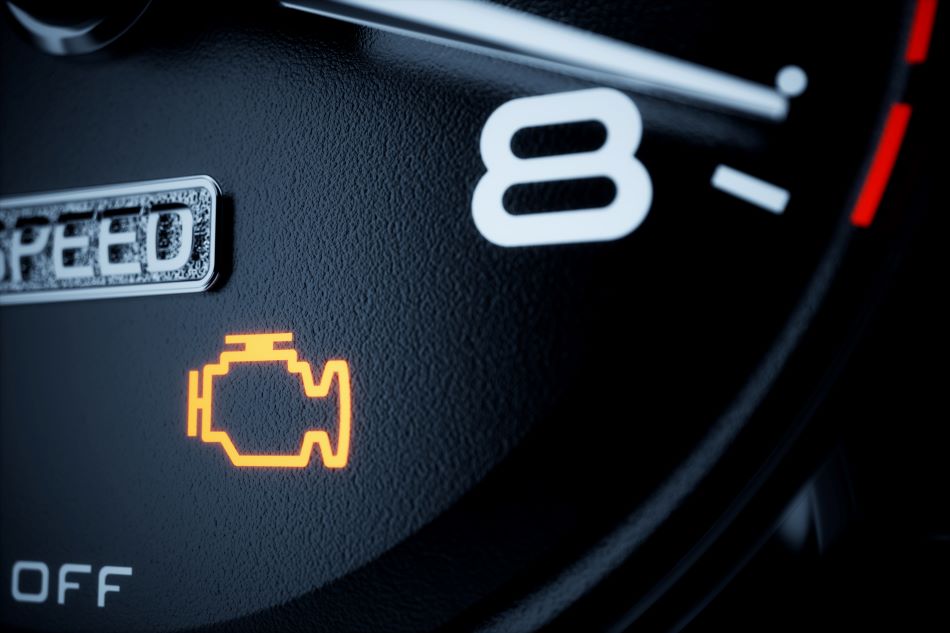
Wondering what causes the Check Engine Light to Come On?

what causes the check engine light to come on

You may be driving smoothly along when all of a sudden you see the “Check Engine” light illuminate on your dashboard.  You start to worry about what causes the check engine light to come on.  This little light could be the first warning sign of an engine problem.  Unless your car doesn’t run at all, head to your auto repair shop as soon as you can for a diagnostic test.  Your mechanic will hook up a specialized computer to your vehicle to “read” what is going on under the hood.  Potential problems can be diagnosed and fixed while they are small problems, and before they turn into major engine repair.  

There are few problems that can cause the check engine light to come on:

  1. Faulty Gas Cap – When the gas cap is loose or cracked, fuel vapors leak out and can throw the whole fuel system off.
  2. Faulty Oxygen Sensor – If the oxygen sensor fails, it’s not providing the right data to the car’s computer to monitor the unburned oxygen from the exhaust and how much fuel should be burned. 
  3. Failing Catalytic Convertor – If the catalytic convertor fails, it can’t do its job of reducing exhaust gases. It converts carbon monoxide and other harmful materials into harmless emissions.
  4. Faulty Mass Airflow Sensor – The mass airflow sensor tells the car's computer to add the proper amount of fuel based on the air coming through to the engine.  Most mass airflow sensors fail because of an improperly installed or it becomes clogged.
  5. Bad Spark Plugs and Wires – The spark plug seals the combustion chamber and provides a gap for a spark to jump across and initiates combustion in your engine.  You will start to notice misfiring when spark plugs go bad.

Any of the issues listed above can result in reduced fuel efficiency, an increase in toxic fumes from your exhaust, loss of power, rough idling, or not running at all.   If you want to prevent major and expensive engine repair, as well as keep your vehicle a reliable means of transportation, don’t neglect regular engine service.  

If you need to know more about what causes the check engine light to come on, call our ASE Certified technicians at Auto & Fleet Mechanic for more information about engine repair and to make an appointment. Our auto repair shop proudly serves residents in Modesto, CA, and the surrounding area.


Saturday, October 17, 2020

Diesel Mechanic advices not to ignore Strange Diesel Noises!

Diesel repairs modesto ca

A common characteristic of diesel engines is noise!  If you aren’t familiar with diesel engines, you may be wondering just what is acceptable and what is not.  Injector “nailing” and ignition “knock” causes most of the usual knocking and pinging in a diesel engine.  Not every noise that comes from under the hood is bad—some sounds are usual.  A diesel auto mechanic can tell you what is usual and what is not.  

Diesel engine issues generally happen because people ignore the unusual noises which can indicate issues.  Some knocking noises are of no concern at all, while other noises are signs of trouble.  Don’t take any strange noises lightly but schedule a diesel service as soon as possible.   

Why is a diesel engine so noisy?  Fuel is injected into compressed air inside the cylinder in which there are a lot of little parts, such as small valves, and oil pipes that create the noise. Also, because diesel fuel is less filtered than petrol, it has more particles in it that make louder noises when it’s ignited.  

Problem noises:

  1. Rattling. You may hear rattling when you accelerate, caused by the air and fuel mixture in the cylinder that gets ignited prematurely by the compression inside the engine. This is called pre-ignition and it can damage the pistons, valves, and connecting rods inside the engine.  
  2. Ticking. Typically, a ticking noise is caused by reciprocating parts like pistons, valves, rods, and pushrods. It is also an indicator of problems such as low oil level, ill-adjusted valves, rod knock, or noisy lifter.
  3. Knocking.  Knocking noise is produced by the injectors. Though, deposits build up in the tips of fuel injectors, normally when there's fuel left in the injector tips after the engine is shut.
  4. Timing Chain Meshing. The timing chain connects the camshaft and crankshaft which will produce a meshing sound if it is too loose. 

The key to Diesel Engine Performance!

The key to getting the best performance and fuel mileage from your diesel engine is clean fuel injectors that are functioning correctly.

Are you looking for quality diesel repair?  Call our ASE Certified technicians at Auto & Fleet Mechanic for more advice from a diesel mechanic and to make an appointment. Our auto repair shop proudly serves residents in Modesto, CA, and the surrounding area.


Friday, September 11, 2020

When Should You Service Your Car A/C?

when should you service your car A/C


Because today’s cars are more computerized than ever, the car A/C system is more complex than ever.  At least once a year, schedule a car AC service with a certified auto repair mechanic who can handle refrigerants.  This will ensure you are riding in comfort at all times, plus see improved gas mileage with less toxic emissions.

So wondering when should you service your car A/C?  Any time is a good time!  Especially after a hot summer and before heading into fall, it’s time to give your car AC some much-needed attention. Here are several maintenance tips that will keep your car air conditioner in good working condition:
  1. Run the air conditioner once a week for about 10 minutes. Turn the A/C to its maximum fan speed and coolest setting to keep the compressor working correctly.
  2. Run defrost mode for about 5 to 10 minutes. This prevents mildew and cleans out excessive moisture (which can cause obnoxious odors in your car).
  3. Use your car A/C in winter. In addition to cooling your vehicle, one of the A/C’s primary functions is to remove humidity from the passenger cabin, such as a fogged-up windshield.
  4. Refresh Cooling System.  Every 2 years replace the compressed gas and lubricant in the A/C system.
  5. Schedule a car A/C service.  Early detection of leaks or damage can save you time and money, keeping you and everyone in your vehicle cool and worry-free.
During the hot temperatures of summer, your car air conditioner has received a lot of use.  Regular maintenance will keep it performing at its best as you head into fall and winter.  You will see the benefits of improved gas mileage, a cleaner running vehicle, and a more relaxed ride.

Are you wondering when should you service your car A/c?  Call our ASE Certified technicians at Auto & Fleet Mechanic for more information about our auto repair shop and to make an appointment. Our auto repair shop proudly serves residents in Modesto, CA, and the surrounding area.

Friday, July 31, 2020

Why is my brake light not working?

why is my brake light not working


With the long days of summer here, many car drivers may not think about their headlights and brake lights.  But, it’s important to keep an eye on them as they can burn out or stop working without noticing.  All of a sudden, you may start to wonder, “Why is my brake light not working?”  It’s still important that you have working lights (headlights, brake lights, and turn signals) so that other drivers know you are there or in which direction you plan to turn. 

So what causes lights to not work or appear extra dim?  There could be several reasons, including:
  • Burned out bulbs:  If only one brake light is not working, the issue is normally a burned-out bulb.  Has it replaced as soon as possible?  If it still doesn’t work, ask your auto mechanic to inspect the wiring or fuses.
  • High beam doesn’t work:  If the headlight was replaced or it isn’t burned out, there could be faulty wiring in the switch.
  • Electrical System:  There may be an issue in the electrical system if the lights dim only when the engine is idling and the brightness changes with the RPM.  An auto electrical repair service can pinpoint the issue, such as a bad alternator or a loose belt.  Though, if the alternator inspects out okay, the accessories may be drawing too much power and a more powerful alternator may be needed.
  • Lights are too dim:   Bulbs can lose their brightness as they age, so you may want to invest in a new set of bulbs.  Dirty lenses block the light and can be cleaned and reconditioned.  Foggy lenses are an indication that water is getting into the headlight assembly and it may want to be replaced.
The electrical system is comprised of some components including the battery, battery cables, alternator, starter, and computer system. Problems with any of these components can cause issues with the vehicle’s operation and will normally require the use of specialized diagnostic equipment to identify the cause.   

In older vehicles, the average person could replace burned out bulbs themselves.  But lights are now much harder to access in today’s vehicles.  Your auto mechanic has the right tools and diagnostic equipment to check the bulbs, fuses, switches, and relays, and then either repair or replace as needed.  

Are you wondering why is my brake light not working?  Consult our ASE Certified technicians at Auto & Fleet Mechanic for more information about auto electric repair problems and to make an appointment. Our auto repair shop proudly serves residents in Modesto, CA, and the surrounding area.

Tuesday, July 28, 2020

What are the Symptoms of a Failing Alternator?

what are the symptoms of a failing alternator


Many drivers are not aware that the alternator is a key component in your car's electrical system.  What does it do, you ask?  Simply stated, it turns the energy from the crankshaft into useful electricity to power the vehicle's electrical systems and to help the battery recharge. When the alternator starts to fail, it can create a domino effect of electrical issues that can eventually cause a breakdown.  The issue is that it is often difficult to determine whether a failing alternator, a weak battery, or a bad car starter is the culprit.

So what are the symptoms of a failing alternator?  Here are 6 signs that are easy to notice:
  1. The indicator light illuminates on the dashboard titled "ALT" or "GEN.”
  2. Dim headlights generally mean the alternator is struggling to perform.
  3. Other electrical systems that are powered by the alternator may start to act up, including power windows, power locks, dashboard lights, air conditioning, car radio, GPS, and etc. 
  4. Sometimes Alternator failure can cause some of the bearings to fail in the engine, creating rare rattles and noises. 
  5. When the alternator is failing, there might not be enough power in the spark plugs to keep the engine alive, which can cause it to stall for no reason while running.
  6. The battery sometimes will be drained of its charge because the alternator is not capable of recharging it.
If your vehicle is getting hard to start, for driving safety, performance, and peace of mind, have the car starter, the battery, and the alternator checked as soon as possible.  Don’t delay until you are suddenly left stranded somewhere before taking care of starting issues.
  
Are you wondering what are the symptoms of a failing alternator?  Consult our ASE Certified technicians at Auto & Fleet Mechanic for more information about car starters, alternators, and batteries and to make an appointment. Our auto repair shop proudly serves residents in Modesto, CA, and the surrounding area.

Thursday, July 16, 2020

What Are the Signs That Your Car Needs a Tune Up?

what are the signs that your car needs a tune up


The use of computers has been one of the most useful advances in the automotive industry.  Because of these technological advances, your auto mechanic can run an engine diagnostics that scans the operating systems in your vehicle with a specialized computer.  This is not only compulsory when the check engine light comes on, but also as a yearly inspection that can determine if your car is in need of a tune up.  

This diagnostic computer can find issues associated with the transmission, oil tank, gas tank, exhaust system, and other components. It can also indicate ignition timing problems, level of buildup in the combustion engine, fuel injector performance, whether the ignition coils are firing, engine rpm levels, air and coolant temperature, crankshaft and camshaft position, and throttle opening. In other words, it will let you know when its time for a tune up!  

So just what are the signs that your car needs a tune up? If your car isn’t driving as well as normal, it is possibly time for a tune up. Look for these signs:
  • Check engine light comes on. 
  • Engine stalls when you try to accelerate.
  • Decreased fuel economy.
  • Brake issues.
  • Shifting issues.
  • Excessive vibration or shaking felt in the steering wheel.
An engine diagnostics can analyze the overall performance of your vehicle and pinpoint any possible issues as well as determine whether any adjustments may be needed.  Preventative maintenance and repairs don’t have to be based on guesswork anymore.  Instead of spending your hard-earned money on fixing things by “trial and error,” issues can be identified long before they become major problems.  

Some auto mechanics may recommend taking your car in for an engine diagnostics at least once a year to uncover minor issues that can’t be seen.  It’s also useful when you’re inspecting out a used car so you know whether or not it’s a good deal.
Are you wondering what are the signs that your car needs a tune up?  Consult our ASE Certified technicians at Auto & Fleet Mechanic for more information about engine diagnostics and to make an appointment. Our auto repair shop proudly serves residents in Modesto, CA, and the surrounding area.

Monday, June 22, 2020

Wondering how Often Should You Change Your Oil?

how often should you change your oil

There is still a lot of debate going on in the automotive industry today on how often should you change your oil.  If you’re confused, the best place to look is your owner’s manual.  This little book will give you guidelines on how often you should change the oil as well as what type of oil to use. Depending on the age and make of your vehicle is often a determining factor.

There may be two different schedules listed in your manual — normal and severe.  Essentially, very few drivers may fall under the normal category.  Severe driving conditions include stop-and-go driving, idling in traffic, towing a trailer, driving in extreme warmth or cold, or frequent short-distance driving in which the engine cannot reach full operating temperature.  In this case, most vehicle manufacturers recommend changing the oil more frequently than usual.  

With that said above, it may still be confusing as to how often should you change your oil. Most vehicles these days can now go to every 7,500 to 10,000 miles (instead of the old standard of every 3,000 miles) before needing an oil change, or every 6 months, whichever comes first.   

It’s important that drivers understand that changing the oil is the best preventative maintenance for extending the life of your engine.  With repeated exposure to cold starts, short trips, and engine warmth, oil gets dirty, becomes thicker, and loses its ability to prevent sludge and deposits from forming.  Clean fresh oil can efficiently lubricate and clean the moving parts of the engine as well as cooling as it circulates.

The cost of an oil change service is minimal compared to the cost of engine repair for engine damage caused by neglecting regular oil changes.  Many auto shops offer oil change coupons as a service to their customers.  The advantage of more frequent oil changes is that it gives your auto mechanic a chance to check your car for other problems or needed routine maintenance.
Are you wondering where to get oil change coupons?  Consult our ASE Certified technicians at Auto & Fleet Mechanic for more information about how often should you change your oil and make an appointment. Our auto repair shop proudly serves residents in Modesto, CA, and the surrounding area.

Friday, May 22, 2020

Why is my car air conditioner not blowing cold air?

why is my car air conditioner not blowing cold air


You don’t have to wait for the warmth of summer to be here in full force before looking for auto AC service. Even though we have looked forward to warmer temperatures, most people still like to stay cool and relaxed in their car even if it’s just for a short commute to work or to pick up groceries.  It’s especially important if you’re planning a summer road trip.  

Don’t find yourself out on the road wondering, “Why is my car air conditioner not blowing cold air?”  There are various reasons that could cause this issue:

  • The coolant has lost its efficiency.  Fresh coolant added to the radiator may be all that is needed for the AC to work again.   
  • The AC’s compressor is not creating a high enough pressure in the system for the refrigerant to cool correctly.
  • A block in the system is allowing the high-pressure refrigerant to slowly decompress through the block. 
  • Constantly exposed to stress from the health of the engine, road debris, dirt, vibrations, quick stops, and even run-ins with curbs, small cracks can be created in the AC unit through which the refrigerant is escaping.  
  • The cooling fans could be burned out, mounted incorrectly, a chipped blade, or a simple blown fuse or burnt-out relay.
  • An issue in the electrical system is giving out faulty signals caused by a broken wire or bad module, bad sensors tripping off your system, or causing the system to shut off inadvertently.  

With the use of computerized parts in today’s vehicles, the AC system is more complex than ever.  At least once a year, schedule an auto AC service with an auto mechanic who is certified to handle refrigerants. You will reap the benefits of not only a more relaxed drive in summer’s warm temperatures, but increased gas mileage, and a more environmentally-friendly vehicle.

So if you’re wondering why is my car air conditioner not blowing cold air, Call our ASE Certified technicians at Auto & Fleet Mechanic for more information about auto AC service and to make an appointment. Our auto repair shop proudly serves residents in Modesto, CA, and the surrounding area.

Friday, May 1, 2020

What Does a Full Service Include on a Diesel Engine?

what does a full service include on a diesel


After several considerations, you may have decided to purchase a diesel car or truck.  But your question now is what does a full service include on a diesel engine?  How should you take care of it?  It is important that you find a trustworthy diesel auto mechanic that is qualified to answer your questions and perform the needed maintenance services.

In several respects, a diesel engine is not as complex as a gasoline-powered engine, and will provide you with greater reliability.  Diesel engines use compression in the combustion chamber to ignite the fuel instead of a spark like in a gas engine.  That means that diesel engines don’t require ignition tune-ups, plus they tend to run longer without major repairs than gas engines.  

That said, today’s newer diesel engines are more complex than in years past.  Due to higher emissions standards, increased horsepower, torque, and their advanced technology, the maintenance required for diesels has also increased.  Usually, a full service on your diesel car or truck includes:
  • Changing the oil and filter—use the correct grade for your diesel engine
  • Changing the air filter—Catches sand and other debris
  • Changing the fuel filter—keeps the fuel clean so there is no water or contaminants in it
  • Bleeding the fuel system—flushes out contaminated fuel
  • Draining the water separators—some drain automatically
  • Refill injection system—reduces nitrogen oxide emissions.  

The maintenance schedule for your diesel vehicle can be found in your owner’s manual.  Also, be sure to ask an ASE certified diesel auto mechanic to help you understand the schedule for your specific vehicle and then help you prioritize and budget for these services.

Are you wondering what does a full service include on a diesel car or truck?  Call our ASE Certified diesel auto mechanics at Auto & Fleet Mechanic for more information about diesel service and repairs and to make an appointment. Our auto repair shop proudly serves residents in Modesto, CA, and the surrounding area.

Friday, March 20, 2020

What Does a Pre-Purchase Inspection Include?

what does a pre-purchase inspection include


Are you looking at a used car to buy?  It’s hard to know whether a car is a good deal or a lemon by just looking at the exterior.  A pre-purchase inspection by a dependent auto shop will help make sure you are getting a fair evaluation.  A multi-point inspection will uncover any hidden damage, defects, maintenance history, and driving safety.

Before you get a pre-purchase inspection, you must first obtain the Seller’s permission.  A written report will be provided to you along with insights on the car’s condition.  A typical pre-purchase inspection may include:

  • Structural integrity, 
  • Safety features,
  • Electrical & electronic systems,
  • Powertrain, 
  • Suspension, 
  • Fuel system, 
  • Exhaust/Emissions, 
  • Steering,
  • Heating/air conditioning system
  • Security system,
  • Onboard computer systems,
  • Interior,
  • Wheels and rims,
  • VIN alteration,
  • Damage from accidents, flood or rough use,
  • Odometer fraud,
  • License plates,
  • Salvage title, and more.

Whether it’s your first or your 100th, the purchase of a vehicle is a significant investment.  Ask for a car history report in addition to scheduling a multi-point inspection.  You don’t want to waste your money or be disappointed by your purchase.  Make sure you receive a comprehensive evaluation so you can make the best-informed decision possible.

Do you want to schedule a pre-purchase inspection?  Call our ASE Certified technicians at Auto & Fleet Mechanic for more information about a multi-point inspection and to make an appointment. Our auto repair shop proudly serves residents in Modesto, CA, and the surrounding area.